
Reading a shared-liquidity lobby: game selection on the WePlay Network
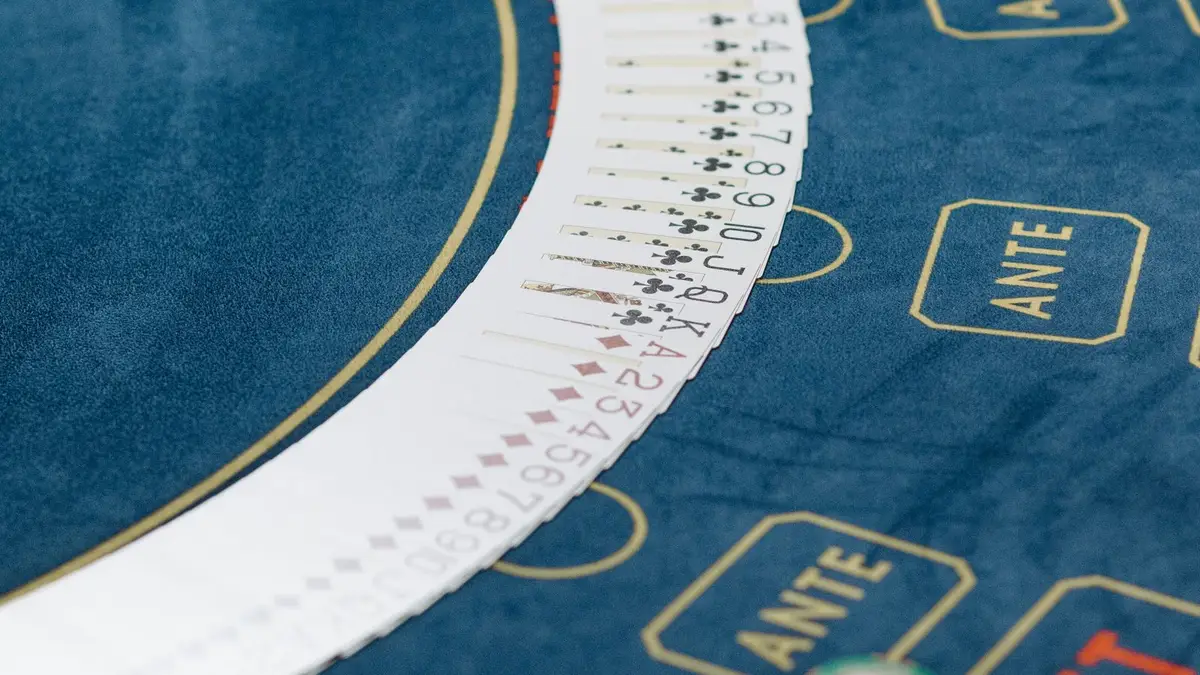
On a single-room site, table selection is simple: you know roughly who’s around, and the player pool is whoever logged into that one brand. A shared-liquidity network breaks that assumption in ways that change how you should pick games.
One lobby, many front doors
The WePlay Network pools players from several branded rooms into the same tables. That means the eight players at your table might have arrived through four different skins. You can’t profile the field by “who plays here” — because here is a shared room with a much wider door.
What this changes for you
- Deeper fields, softer averages. A pooled network fills more tables and runs bigger tournaments than any single brand could. More recreational traffic dilutes the regular-heavy tables you’d find on a small standalone site.
- Regulars are harder to track. The same grinder might show up under different display names across sessions. Note-taking still works, but lean more on in-game reads than on a name you half-remember.
- Peak hours shift. Traffic peaks are the union of every room’s peak. If one brand skews European and another skews Latin American, you get a longer, flatter prime-time than a single-market room.
A simple selection routine
- Sort by average pot size, not just stakes. Pooled tables vary more than you’d expect at the same blind level.
- Prefer tables that are filling, not emptying — pooled liquidity means a good table refills fast when a fish busts.
- Don’t over-index on a single “reg-infested” read. On a shared network, table composition turns over quickly.
The current reality
The network is still early. Some formats run thin while liquidity builds. That’s a table-selection input too: check which games are actually populated before you commit a session to a format that’s quiet tonight.
Your next big win starts here
Join the action and unlock exclusive promotions, weekly rakeback, and jackpot rewards from your very first hand.