
Master bomb pot poker: how the format works and how to play it
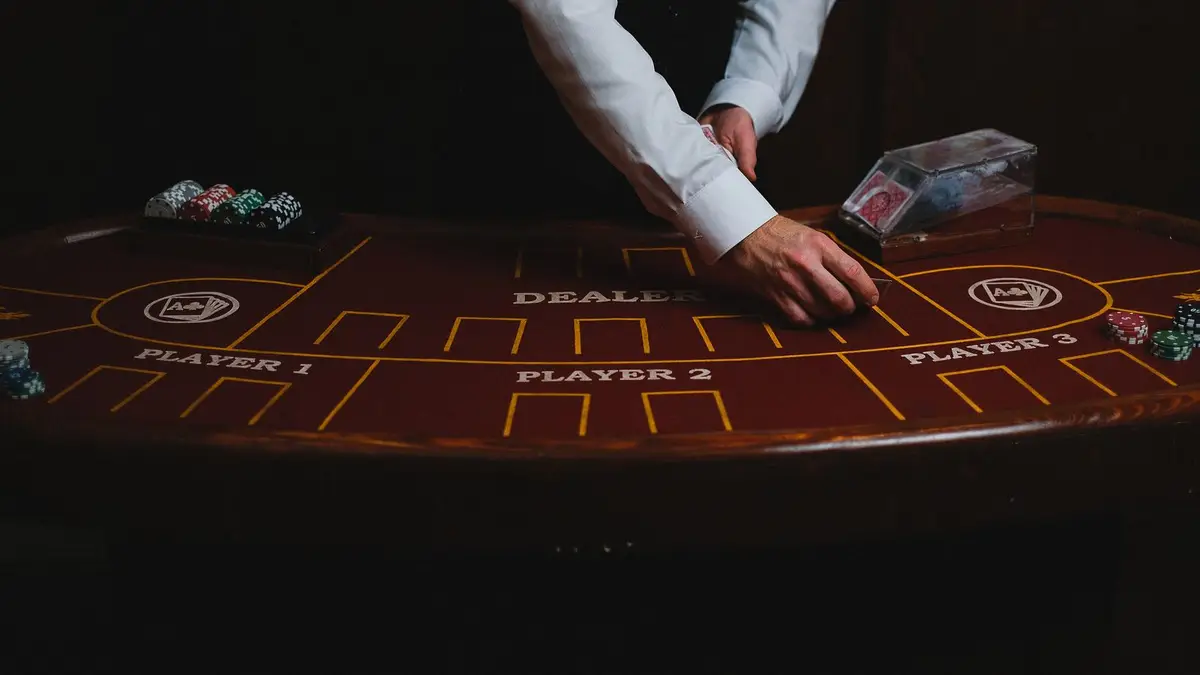
A bomb pot deletes the part of poker most players are best at. There is no preflop raise, no three-bet, no fold — every player at the table antes an agreed amount, the flop is dealt, and the hand starts on the turn of a card nobody chose to see.
That sounds like chaos. It isn’t. It just moves every decision that matters to the flop.
How the format works
Bomb pots are triggered periodically at the table. Instead of blinds, every seated player posts the same ante. No cards are dealt for a preflop round — the dealer puts out a flop immediately and betting begins with the first active player.
Three consequences follow, and they drive everything else:
- The pot is already large. With nine players and a 10-big-blind ante, the flop is contested for 90 big blinds before a single bet is made.
- Everybody has a random hand. Nobody folded, so the range at every seat is 100% of the deck. Your opponents hold hands they would never have played for a raise.
- Stack-to-pot ratio is tiny. A big pot and normal stacks means you are often one bet and one raise from committed.
Why “good” hands get you in trouble
In a normal hand, top pair with a decent kicker is usually ahead. In a bomb pot it usually isn’t.
When nine random hands see a flop, someone connects hard far more often than your instincts expect. Two pair, sets and made straights appear at a rate that would be suspicious in a raised pot. Top pair is a bluff catcher at best, and against multiple opponents in a bloated pot it is frequently drawing thin.
The hands that win money are the ones that can survive a raise: sets, two pair with a redraw, nutted draws, and made straights and flushes. The hands that lose money are strong-looking one-pair holdings that cannot fold.
The nut principle
Because ranges are uncapped and the pot is huge, the value of nut equity climbs sharply while the value of marginal equity collapses.
A flush draw is not one thing. The nut flush draw is a premium holding in a bomb pot — it can play for stacks with confidence. A low flush draw is a trap: it makes the hand you want and loses the pot anyway. The same applies to straights on paired or monotone boards, and to bottom sets on coordinated textures.
Before committing chips, ask what happens when you make your hand and are still second best. In a normal pot that costs you a bet. In a bomb pot it costs you a stack.
Position matters more, not less
With no preflop betting, position is the only structural edge left in the hand.
Acting last with a nine-way pot in front of you is enormously valuable: you see how many players are willing to put money in before deciding whether your hand is worth anything. Out of position with a medium-strength hand, you are guessing against eight opponents.
Play tighter out of position than the pot odds suggest. The odds are inviting precisely because so many hands are drawing to lose.
Bankroll and variance
Bomb pots inflate variance. Bigger pots, more players and more marginal all-ins mean bigger swings in both directions, and a session with several bomb pots can move your results more than an ordinary hour at the same stake.
That is not a reason to avoid them — the extra variance comes with extra dead money from players who overvalue one pair. It is a reason to size your bankroll for the format you are actually playing rather than the stake on the table.
The short version
- Nine random hands means someone has it. Assume it.
- Chase the nuts, not the draw.
- Position is the only edge the format leaves intact.
- Top pair is a bluff catcher, not a value hand.
- Expect swings, and bankroll accordingly.
Bomb pots reward players who can fold something that looks good. That is a harder skill than it sounds, and it is where the money in the format is.
Your next big win starts here
Join the action and unlock exclusive promotions, weekly rakeback, and jackpot rewards from your very first hand.